Discover the soul of Kashmiri traditional food- from the grandeur of Wazwan to the quiet ritual of Kahwa- and why slowing down around a table may be one of the most beautiful ways to experience Kashmir.
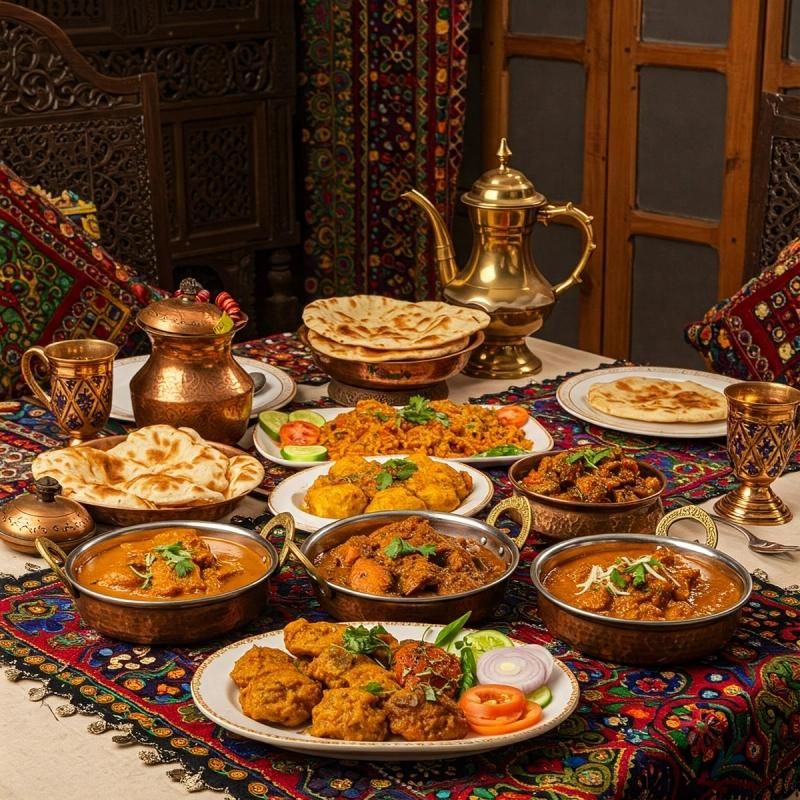
There is a particular kind of tiredness that sleep doesn’t always fix.
It comes from too many meetings, too many notifications, too many decisions—and too little time spent simply being present.
You sit down for dinner, but your mind is already in tomorrow’s meeting.
Your phone rests beside your plate.
You eat quickly.
And before you’ve really tasted anything, the meal is over.
Kashmir offers a different rhythm.
Here, food can be an occasion. Tea can become a ritual. Cooking can be an expression of hospitality, heritage and patience.
That is what makes Kashmiri traditional food so much more than a cuisine to discover.
It is a way of experiencing a culture that has learned to value time, togetherness and the pleasure of slowing down.
At The Kashmir Reset, we believe nourishment begins long before the first bite. Sometimes, it begins simply by sitting down and giving yourself permission to stay.
Wazwan: More Than a Meal
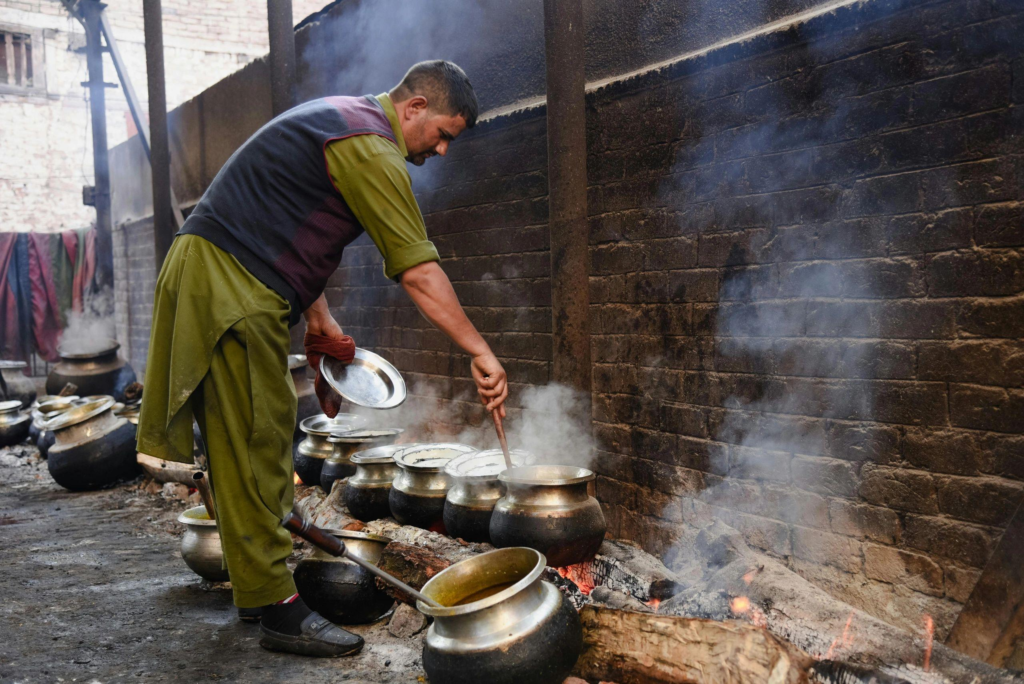
Ask someone what Kashmir is famous for, and Wazwan is likely to be among the first answers. But calling Wazwan simply a feast doesn’t quite capture what makes it special. Traditionally associated with Kashmiri Muslim culture, Wazwan is an elaborate culinary tradition in which cooking, craftsmanship and hospitality come together.
Its preparation requires skill.
Its recipes carry generations of knowledge.
And its presentation turns eating into a communal experience.
Dishes such as Rogan Josh, Rista, Gushtaba and Tabak Maaz aren’t simply items on a menu. Together, they tell a story about Kashmir’s culinary heritage and perhaps the most interesting part for a modern traveller is this:
Wazwan doesn’t belong to a culture of rushing.
It rewards patience.
It celebrates craftsmanship.
And it brings people to the same table.
In an age where meals are often squeezed between meetings, there is something quietly radical about a culinary tradition that asks you to sit, share and savour.
The Flavours Behind Kashmiri Traditional Food
The beauty of Kashmiri food lies in its layers.
Aromatic spices, slow cooking, contrasting textures and carefully developed flavours give the cuisine its distinctive character.
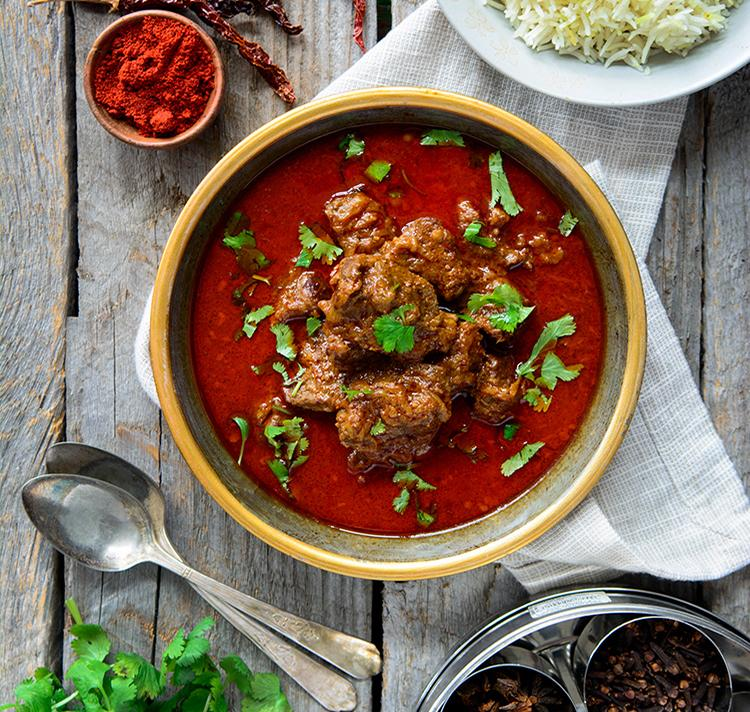
Rogan Josh
Deeply aromatic and beautifully coloured, Rogan Josh is one of Kashmir’s best-known dishes. Rather than relying simply on heat, its appeal comes from depth and balance—the kind of flavour that reveals itself gradually.
Rista
Delicate meatballs cooked in an intensely coloured gravy, Rista demonstrates the precision behind Kashmiri cooking. The technique involved in preparing the meat is itself part of the culinary craft.
Gushtaba
Often associated with the concluding stages of a traditional Wazwan, Gushtaba consists of tender meatballs served in a yoghurt-based gravy. It is rich, delicate and deeply comforting.
Tabak Maaz
Crisp, savoury and tender, Tabak Maaz adds another texture to the Wazwan experience. Together, these dishes show why Kashmiri traditional food is about more than flavour. It is about craft.
Then There Is Kashmiri Tea
If Wazwan represents the grandeur of Kashmiri hospitality, tea represents its intimacy.
Two traditional preparations stand out: Noon Chai, the distinctive pink tea, and Kahwa, the fragrant green tea associated with warmth and hospitality.
Both invite you to slow down and that may be their greatest luxury.
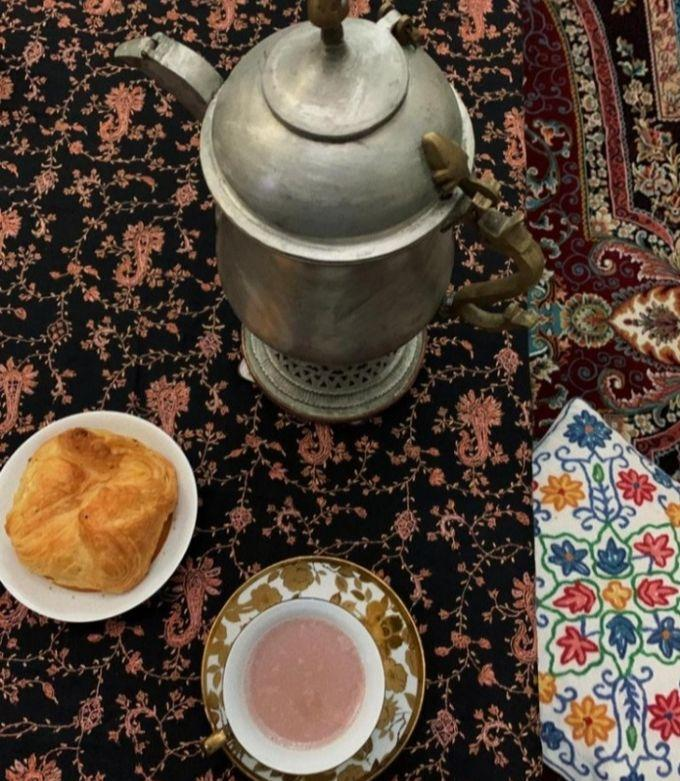
Noon Chai: A Taste of Tradition
Noon Chai is instantly recognisable for its unusual pink colour and savoury profile. Traditionally prepared with green tea, salt and bicarbonate of soda, and finished with milk, it offers something quite different from the sweet chai many travellers may be accustomed to.
The first sip can be unexpected.
The second makes you curious.
And suddenly, you’re not just drinking tea.
You’re learning.
This is one of the pleasures of travelling through food. A flavour can become an introduction to history, geography and everyday life.
Kahwa: Kashmir in a Cup
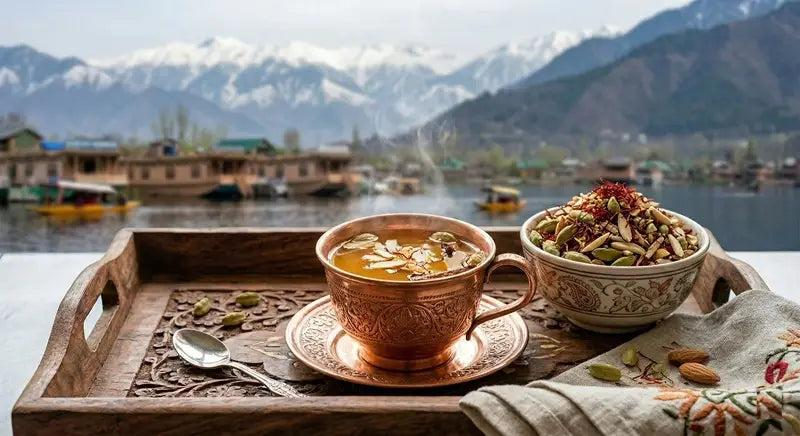
Then there is Kahwa.
Golden, aromatic and gently spiced, Kahwa may be one of the simplest ways to understand Kashmiri hospitality. Traditionally prepared with green tea and aromatic ingredients such as cardamom and cinnamon, it may also be served with saffron and nuts. But the ingredients tell only half the story.
Imagine drinking it beside a window overlooking the mountains.
The morning is quiet.
There is nowhere you need to be.
Your phone is out of reach.
The cup is warm between your hands.
Suddenly, tea becomes a pause and sometimes, a pause is exactly what a tired mind needs.
From Village Kitchens to an Authentic Kashmir Experience
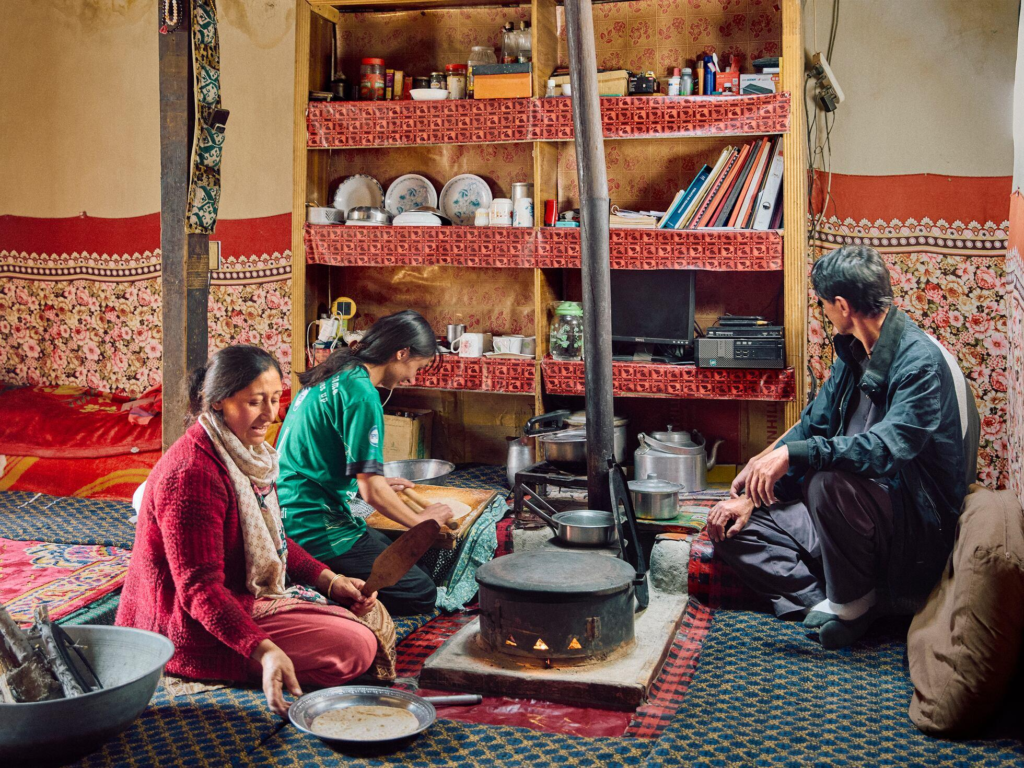
Some of the most memorable food experiences in Kashmir don’t happen in restaurants, they happen in kitchens. A family recipe prepared the way it has been for generations.
Fresh bread being made.
Spices being prepared by hand.
Tea being poured for a guest who arrived only moments ago.
This is where a Kashmir village experience becomes particularly meaningful.
Food becomes a bridge.
You aren’t simply photographing a culture from the outside. You’re being invited to understand a small part of how people live, cook and welcome others. For travellers looking for an authentic Kashmir experience, these moments can be far more memorable than ticking another attraction off a list.
When Food Becomes Part of a Wellness Journey
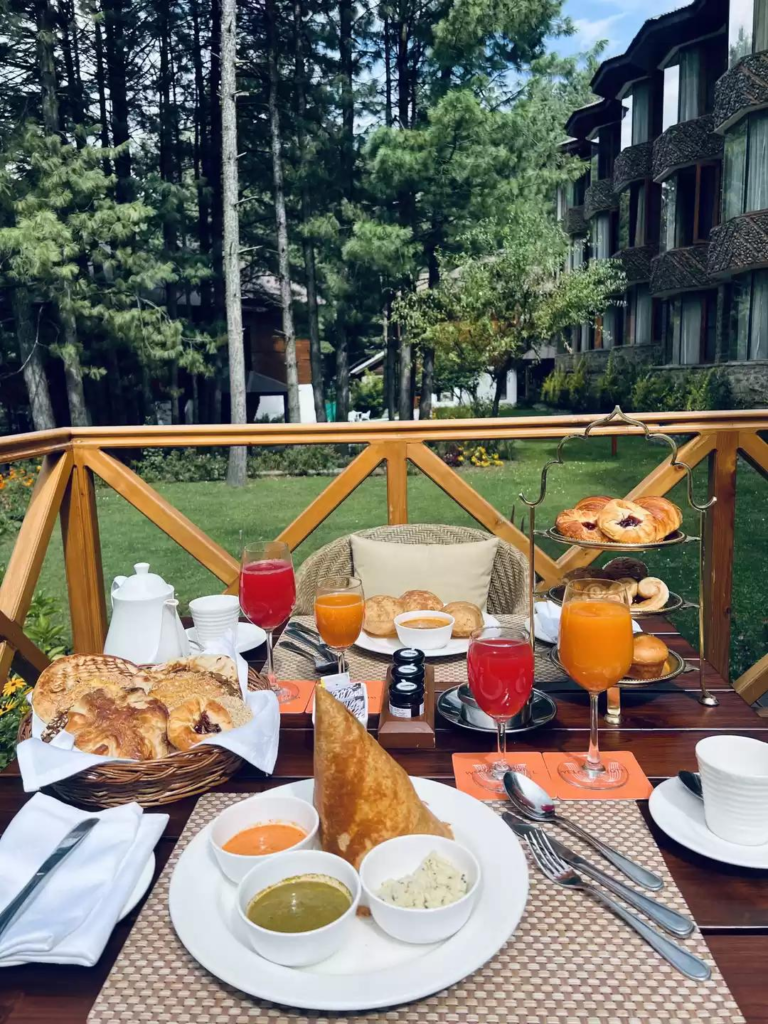
Imagine beginning your morning with a quiet walk through the mountains.
Returning to a breakfast prepared with local ingredients.
Spending the afternoon surrounded by nature.
Enjoying Kahwa as the light changes outside.
And ending the day around a table where dinner isn’t something to rush through.
This is where culinary experiences naturally meet wellness.
A Kashmir wellness retreat doesn’t have to be about filling every hour with activities. It can be about creating the conditions for you to slow down.
Nature provides the setting.
Food engages the senses.
Culture creates connection.
And time gives everything room to settle.
For travellers who spend most of their lives moving quickly, that combination can feel extraordinarily restorative
Experience Kashmir Through The Kashmir Reset
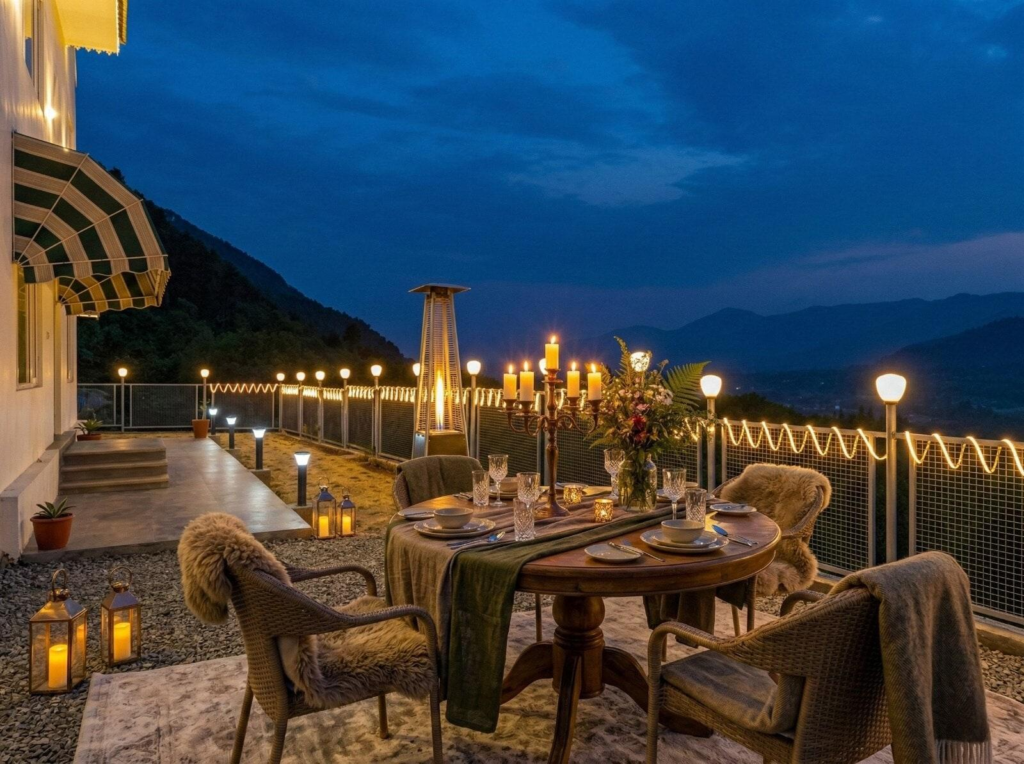
If you’re searching for Kashmir travel that goes beyond conventional sightseeing, perhaps the answer isn’t another packed itinerary.
Perhaps it is a table.
A village kitchen.
A quiet valley.
A traditional recipe.
A warm cup of Kahwa.
At The Kashmir Reset, our Restorative Retreats bring together nature, culture, slow travel and Local Culinary Arts to create a more meaningful way to experience Kashmir.
Come for the food.
Stay for the stories.
Slow down for the mountains.
And leave with something more valuable than a full itinerary: a little more space within yourself.